Moving to a new home or office is an exciting adventure, but it often comes with a common challenge: the art of packing. Whether you’re relocating your household or your business, the way you pack your belongings plays a pivotal role in ensuring a smooth and damage-free move. At Seattle Professional Movers, we understand the intricacies of packing, and we’re here to guide you through the process with expert tips and strategies.
In this comprehensive guide, we’ll delve into the world of efficient packing techniques, the importance of choosing the right packing materials, safe packing practices, and much more. Whether you’re a DIY enthusiast or seeking professional assistance, these insights will empower you to safeguard your cherished possessions during your journey to a new destination.
So, let’s embark on this packing journey together and master the art of packing for a move that’s not only efficient but also damage-free.
Efficient Packing Techniques
Efficient packing is the cornerstone of a successful and damage-free move. Here, we’ll explore professional packing methods, DIY packing strategies, and the importance of organized packing.
Professional Packing Methods
When it comes to efficient packing, professionals have honed their skills to a fine art. They employ techniques that ensure items are packed securely and are less susceptible to damage during transport.
- Use of Quality Packing Materials: Professionals understand the significance of using high-quality packing materials to protect items. This includes sturdy boxes, bubble wrap, packing paper, and packing peanuts.
- Proper Packing Order: Professionals know the order in which items should be packed. For example, heavy items go at the bottom of boxes, with lighter items on top to prevent crushing.
- Customized Packing: They tailor packing methods to the specific needs of different items. Fragile items receive extra cushioning and protection.
DIY Packing Strategies
For those opting for a do-it-yourself approach, there are still effective strategies to ensure items are packed efficiently and safely.
- Start Early: Begin packing well in advance of your moving day to avoid a last-minute rush.
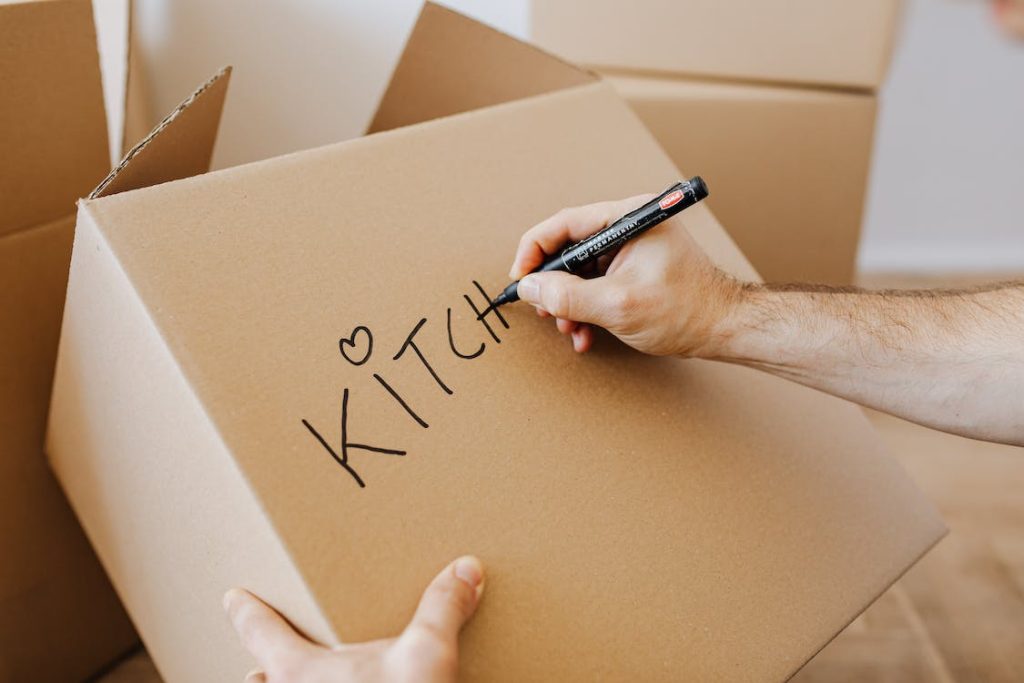
- Labeling and Inventory: Label each box clearly with its contents and destination room. Create an inventory list to track your items.
- Proper Box Selection: Choose the right-sized boxes for different items. Heavy items in small boxes and lighter items in larger ones.
Organized Packing for a Smooth Move
Whether you’re using professional movers or handling the move yourself, organization is key.
- Room-by-Room Approach: Pack one room at a time, labeling boxes accordingly. This makes unpacking more efficient.
- Essentials Box: Prepare an essentials box with items you’ll need immediately upon arrival at your new home.
- Donate or Discard: As you pack, set aside items you no longer need or want. Donating or discarding them reduces the number of items to move.
Efficient packing sets the stage for a smooth and damage-free move. Whether you choose professional packers or embrace a DIY approach, these techniques will help ensure your belongings arrive at your new home intact and organized.
Choosing the Right Packing Materials
Selecting the appropriate packing materials and supplies is crucial for safeguarding your belongings during a move. Here, we’ll delve into the importance of choosing the right materials and highlight the use of bubble wrap and packing peanuts for fragile items.
Quality Packing Materials
Investing in high-quality packing materials is a fundamental step in protecting your possessions.
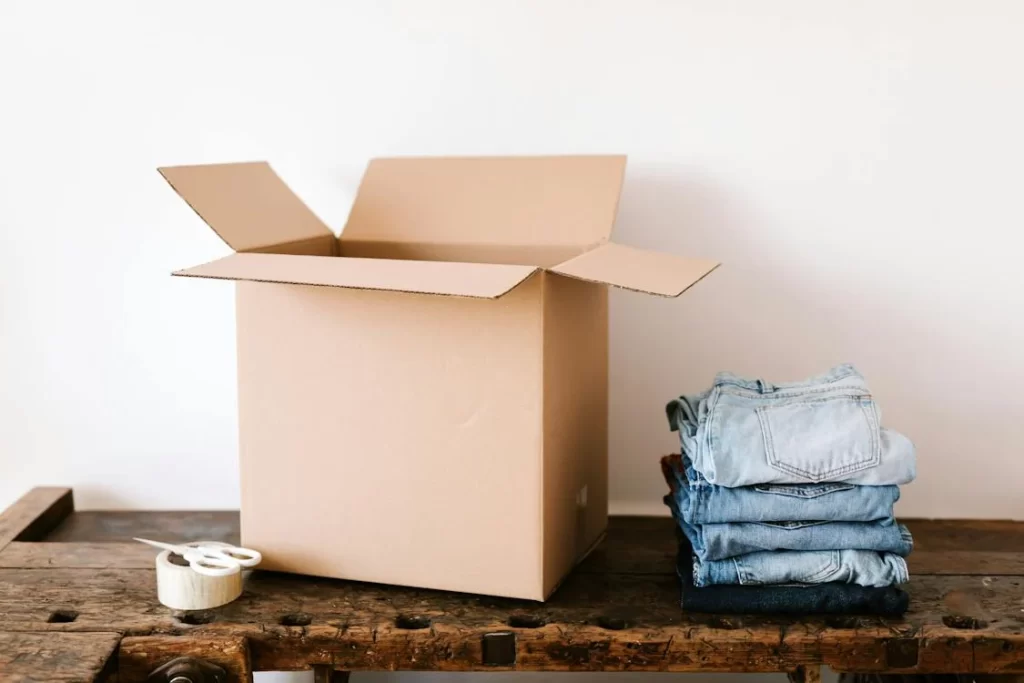
- Sturdy Boxes: Use boxes specifically designed for moving, as they are more durable than regular cardboard boxes.
- Bubble Wrap: Wrap fragile items in bubble wrap to provide cushioning and prevent breakage.
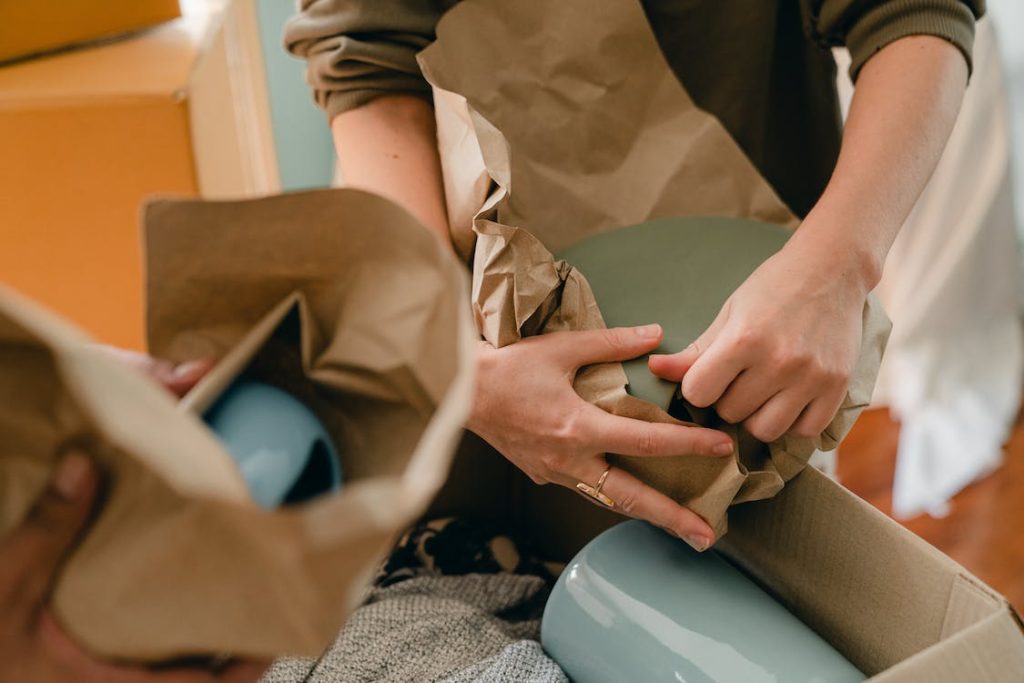
- Packing Paper: Use packing paper to wrap delicate items, preventing scratches and damage.
Bubble Wrap and Packing Peanuts
Bubble wrap and packing peanuts are invaluable for protecting fragile items.
- Bubble Wrap for Fragile Items: Wrap delicate items such as glassware, ceramics, and electronics in bubble wrap. The air-filled bubbles act as shock absorbers.
- Packing Peanuts for Cushioning: Fill the empty spaces in boxes with packing peanuts to create a cushioning effect. This minimizes movement and reduces the risk of damage during transit.
Properly Packing Fragile Items
When packing fragile items, take extra precautions to ensure their safety.
- Layering Techniques: Layering fragile items with packing materials, such as bubble wrap or packing paper, adds an extra level of protection.
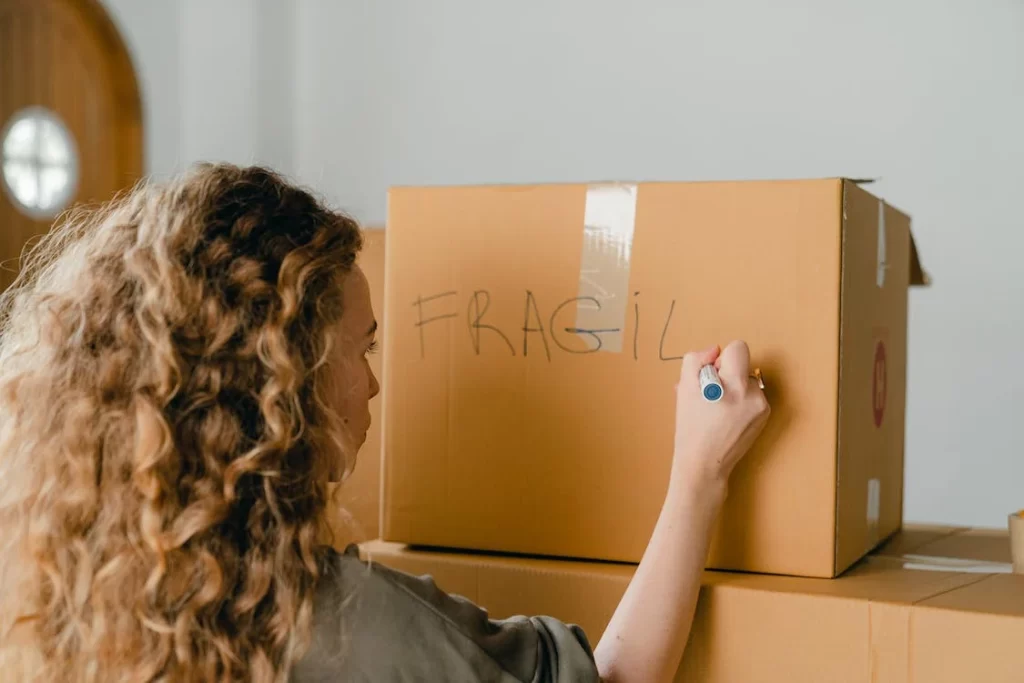
- Secure Sealing: Seal boxes with fragile items securely and label them as “Fragile” to alert movers to handle them with care.
The Right Boxes for the Job
Different items require different types of boxes for optimal protection.
- Heavy-Duty Boxes: Use heavy-duty boxes for items like books, electronics, and appliances.
- Wardrobe Boxes: Wardrobe boxes are ideal for transporting clothing on hangers without wrinkling.
Selecting the right packing materials ensures that your belongings are well-protected during the move. From sturdy boxes to bubble wrap and packing peanuts, each component plays a vital role in preventing damage.
Safe Packing Practices
Ensuring safe packing practices is essential for preventing damage to your belongings during a move. In this section, we’ll explore tips for safe and secure packing, the importance of labeling boxes, and how to pack electronics for moving.
Tips for Safe and Secure Packing
Prioritizing safety during packing helps minimize the risk of damage to your items.
- Heavy Items at the Bottom: Place heavy items at the bottom of boxes to provide stability.
- Balancing Weight: Distribute weight evenly within boxes to prevent them from becoming too heavy or unbalanced.
- Proper Cushioning: Use adequate cushioning materials, such as packing peanuts or bubble wrap, to protect delicate items.
- Securing Lids: Seal boxes securely with packing tape to prevent them from accidentally opening during transport.
Labeling Boxes for Moving
Clear and accurate labeling is crucial for an organized and damage-free move.
- Detailed Labels: Label each box with its contents and the destination room in your new home.
- “Fragile” Labeling: Clearly mark boxes containing fragile items as “Fragile” to alert movers to exercise caution.
- Color Coding: Consider using a color-coding system for labels to easily identify boxes for different rooms.
Packing Electronics for Moving
Electronics are often valuable and delicate items that require special attention.
- Back Up Data: Before packing, back up all data from computers and electronic devices.
- Original Packaging: If available, use the original packaging for electronics, as it’s designed for their protection.
- Cable Organization: Label and organize cables and accessories to avoid confusion during setup.
Certainly, let’s move on to the next section:
Moving Heavy Furniture Safely
Moving heavy furniture requires careful planning and execution to prevent damage and ensure safety. In this section, we’ll explore strategies for moving heavy furniture safely.
Preparing for Heavy Furniture Relocation
Before you begin moving heavy furniture, there are essential preparations to make.
- Gather the Right Tools: Ensure you have the necessary tools, such as furniture sliders, dollies, and lifting straps.
- Disassemble When Possible: If furniture can be disassembled, do so to make it easier to transport.
- Protect Flooring: Use furniture sliders or blankets to protect floors from scratches.
Strategies for Safe Furniture Moving
Executing safe furniture moves involves specific techniques.
- Teamwork: Enlist the help of friends or family to distribute the weight and reduce the risk of injury.
- Proper Lifting Techniques: Use your legs, not your back, for lifting. Bend at the knees and keep your back straight.
- Clear Pathways: Ensure clear pathways and doorways for furniture to pass through without obstruction.
Protecting Furniture During Transit
While in transit, furniture should be properly secured and protected.
- Secure with Straps: Use moving straps to secure furniture in the moving truck and prevent shifting.
- Blanket Wrapping: Wrap furniture in moving blankets to provide cushioning and protection.
- Special Considerations: Pay extra attention to delicate furniture pieces, such as antiques or glass items.
Protecting Valuable Items
Certain items in your household may hold significant monetary or sentimental value, making their protection during a move paramount. In this section, we’ll discuss tips for packing and securing valuable items.
Packing Valuable and Delicate Items
Taking extra precautions when packing valuable and delicate items is essential.
- Documentation: Create an inventory list of valuable items with descriptions and photographs.
- Appraisal: For highly valuable items, consider getting them appraised before the move for insurance purposes.
- Specialized Packaging: Use specialized packaging materials for items like artwork, antiques, and fragile collectibles.
Handling Artwork and Antiques
Artwork and antiques often require unique care during a move.
- Custom Crates: Consider custom crates for valuable artwork to provide maximum protection.
- Climate Control: Maintain stable temperature and humidity levels for sensitive items.
- Art Handling Professionals: If necessary, consult art handling professionals for safe transportation.
Protecting Sentimental Items
Items with sentimental value are irreplaceable, so safeguarding them is crucial.
- Pack with Care: Wrap sentimental items in layers of protective materials, such as bubble wrap and packing paper.
- Hand-Carry: Consider hand-carrying sentimental items to ensure they are always within your sight.
Comprehensive Insurance Coverage
Ensure you have adequate insurance coverage for valuable items during the move.
- Insurance Assessment: Review your insurance coverage and consider additional coverage if needed.
- Movers’ Liability: Discuss the liability coverage provided by your moving company.
Packing Clothes and Unpacking
Efficiently packing and unpacking your clothes can make a significant difference in the ease of your move. In this section, we’ll explore tips for packing clothes and the process of unpacking after moving.
Tips for Packing Clothes
Packing your clothing items efficiently can save space and minimize wrinkles.
- Use Wardrobe Boxes: Wardrobe boxes allow you to hang clothes directly, reducing the need for folding.
- Rolling vs. Folding: Depending on the type of clothing, consider rolling instead of folding to save space and prevent creases.
- Vacuum-Sealed Bags: Vacuum-sealed bags can compress clothing items, further optimizing space.
Preparing a Packing Checklist for Clothes
A packing checklist helps ensure you don’t forget anything important.
- Seasonal Sorting: Separate clothes by season to make unpacking more manageable.
- Donate or Discard: As you pack, set aside clothes you no longer need or want for donation or disposal.
- Label Boxes: Label boxes with clothing items to easily identify their contents.
Unpacking and Organizing Clothes
Unpacking clothes efficiently can help you settle into your new home more comfortably.
- Prioritize Essentials: Start by unpacking clothes you’ll need immediately, such as work attire.
- Organize by Room: Unpack clothes directly into their designated rooms to save time.
- Closet Arrangement: Consider organizing your new closet space for maximum efficiency.
The Art of Packing for a Damage-Free Move
As your move concludes, it’s essential to reflect on the strategies and tips you’ve learned for a damage-free and efficient move.
Achievements and Preparedness
Take a moment to acknowledge your achievements throughout the packing and moving process.
- Efficient Packing: Celebrate the successful and efficient packing of your belongings.
- Safe Transportation: Reflect on the precautions taken to protect your items during transport.
- Smooth Transition: Embrace the smooth transition to your new home.
The Role of Seattle Professional Movers
Throughout this journey, Seattle Professional Movers has been your reliable partner, offering expert guidance and support.
- Expertise: Highlight the expertise and experience of Seattle Professional Movers in handling moves of all sizes.
- Customer Satisfaction: Emphasize the commitment to ensuring customer satisfaction and a hassle-free move.
Settling into Your New Home
As you settle into your new space, consider the opportunities and possibilities it offers.
- Arranging Furniture: Take the time to arrange your furniture and belongings thoughtfully.
- Exploring Your New Neighborhood: Discover the amenities and attractions in your new neighborhood.
- Embracing Change: Embrace this new chapter in your life and the fresh start your new home represents.
Future Moves and Assistance
Remember that Seattle Professional Movers is here to assist you with any future moves or relocation needs.
- Continued Partnership: Continue to rely on Seattle Professional Movers for top-tier moving services.
- Feedback and Recommendations: Share your experience and recommend Seattle Professional Movers to others.
Contact Seattle Professional Movers
Ready to make your next move a breeze? Seattle Professional Movers is your trusted partner for damage-free moving. Contact us today to discover how our professional packing and moving services can simplify your relocation. Let’s ensure your belongings reach their new home in pristine condition. Contact Us to get started on your hassle-free move.